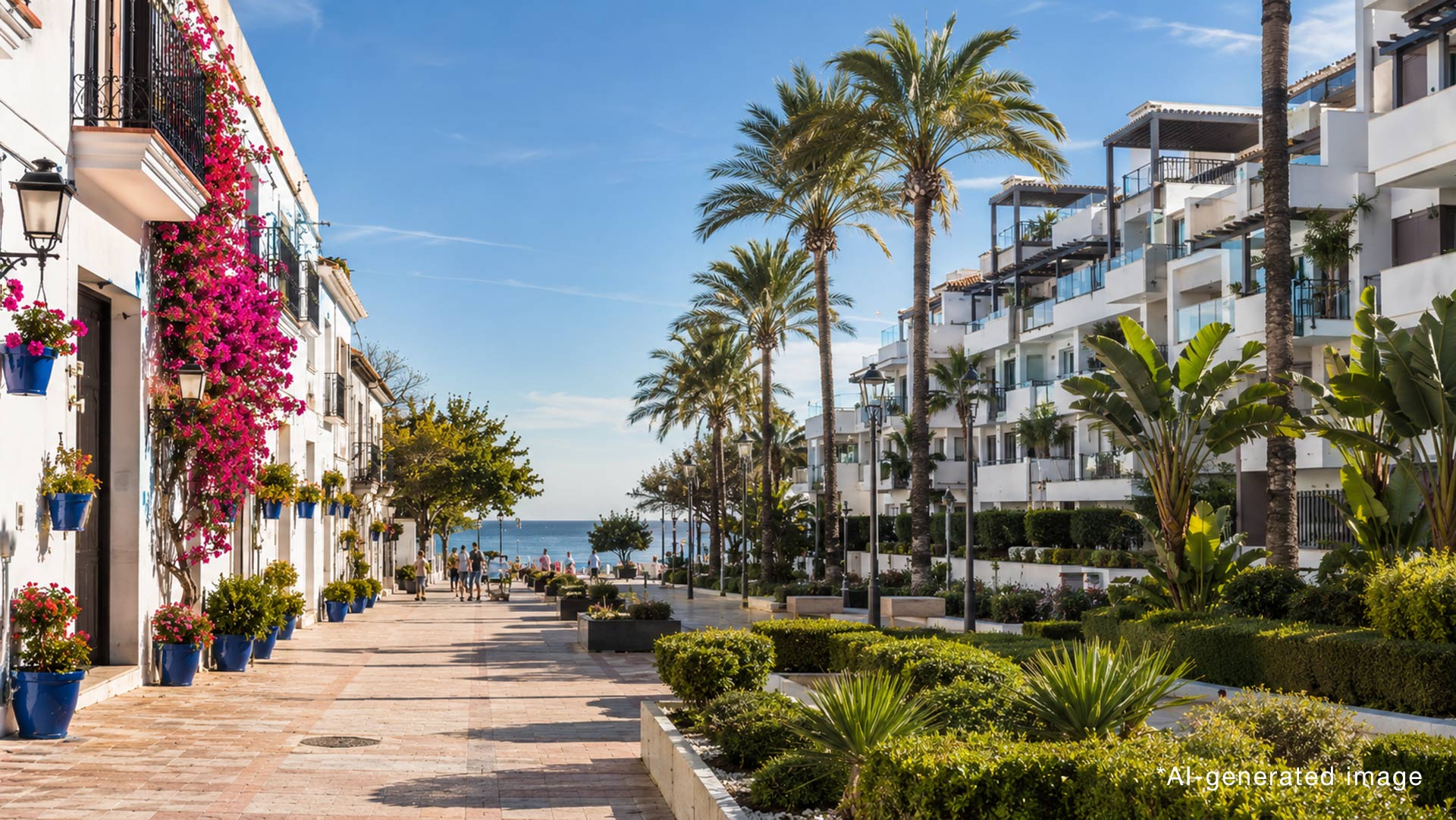
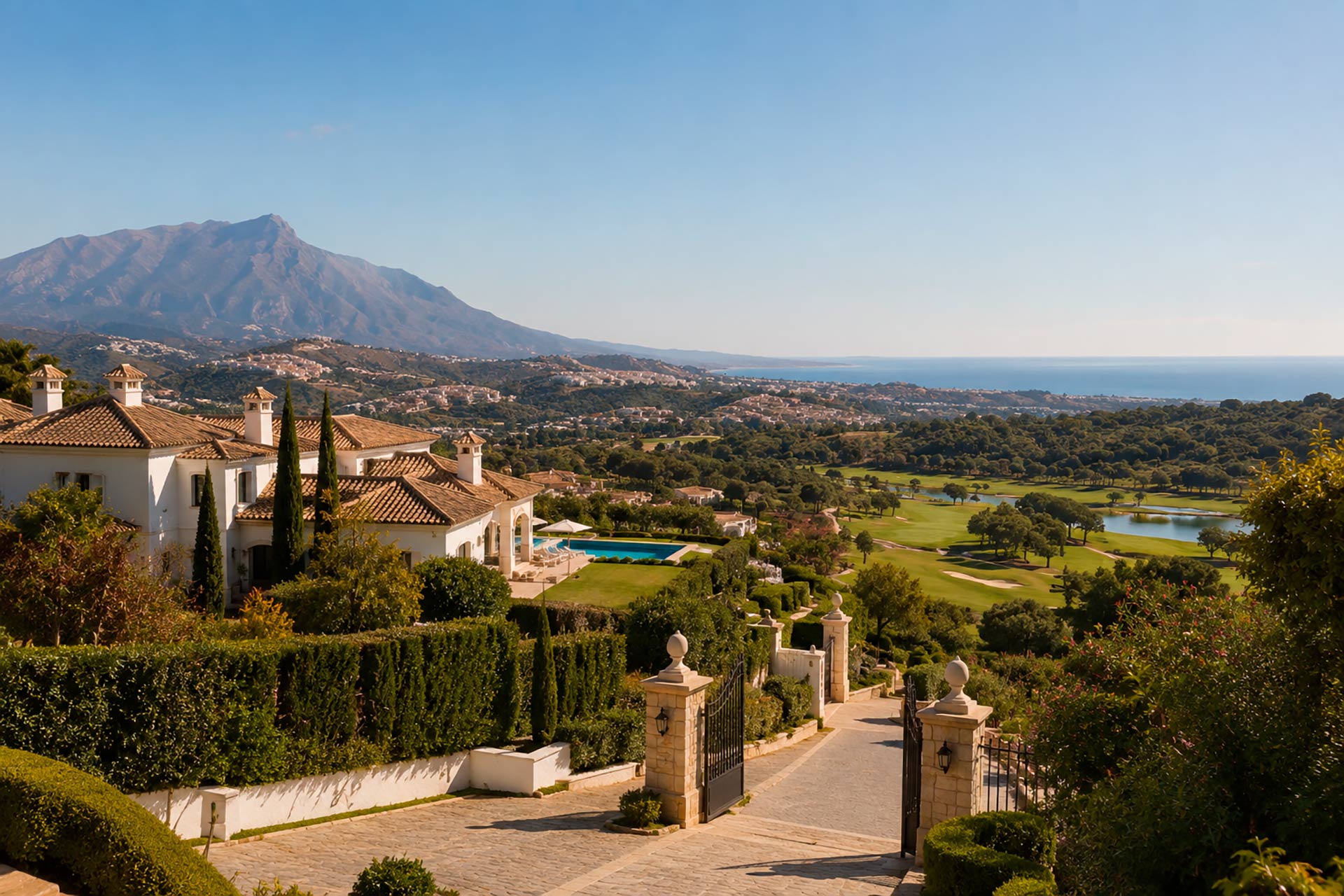
Benahavís is its own municipality in Málaga province, entirely separate from neighbouring Marbella, and one of the leading locations on the Costa del Sol for privacy and golf. Gated estates such as La Zagaleta, El Madroñal and Los Flamingos sit within its boundaries, drawing buyers who want security, space and golf on their doorstep. Here is what you need to know before buying. Where is Benahavís,...
Estepona and Marbella are neighbouring municipalities on the Costa del Sol — around 30 minutes apart by road, though driving times vary considerably by exact area and traffic — yet they offer distinctly different buying experiences. Marbella delivers established prestige, an international social scene and a mature luxury market, while Estepona offers a more traditional Andalusian town with newer...
If you are buying on the Costa del Sol with any intention of renting the property short-term, the regulatory landscape shifted during 2026, and parts of the national picture are still settling. What has not changed is that the framework which actually governs owners in Andalucía is the regional tourist-rental regime, and that you must register a property before advertising or letting it. This guide...
Off-plan buying — purchasing a property before or during construction — has been a defining feature of the Costa del Sol market in recent years. It offers the opportunity to acquire a newly built home at a price agreed before completion, with modern specifications and the protections that Spanish law attaches to new construction. It also carries risks that are structurally different from buying a...
Buying Spanish property involves much more than the purchase price. Between acquisition taxes, annual running costs, capital gains on sale and — for higher-value estates — the state-level wealth taxes, the real cost of ownership deserves careful planning. This guide gives an overview of the main taxes and costs a non-resident buyer should understand, with a particular eye on the premium market. It is...
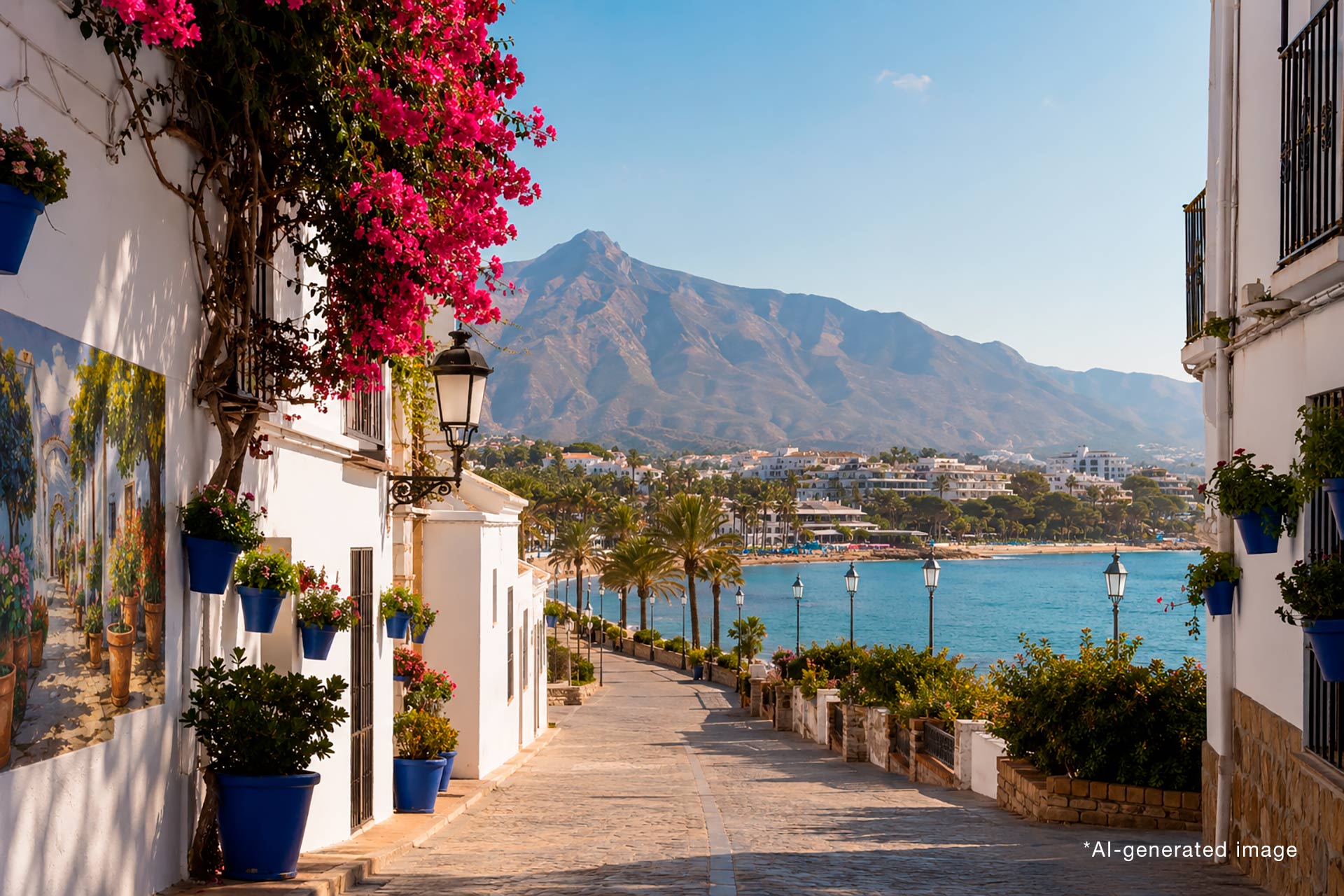
Marbella is the best-known address on the Costa del Sol and one of the most internationally traded luxury property markets in southern Europe. The municipality covers a long stretch of coastline between Estepona to the west and Mijas to the east, and contains a striking range of neighbourhoods — from the characterful old town to the ultra-prime Golden Mile corridor, the golf valleys of Nueva Andalucía...
Buying property in Spain as a non-Spanish national is generally accessible, but the process involves legal, tax and administrative steps that should be checked carefully before committing to a purchase. Understanding the NIE requirement, the tax structure, the legal process and the real total cost before you begin looking at properties makes the experience considerably smoother. This guide covers the key...
The route that once allowed non-EU buyers to obtain Spanish residency by purchasing property worth €500,000 or more — the investor visa's real estate pathway — was closed on 3 April 2025. In fact, the change went further than the property route alone: Spain eliminated the entire investor residence visa, ending a twelve-year chapter in which capital investment and residency were directly linked for...
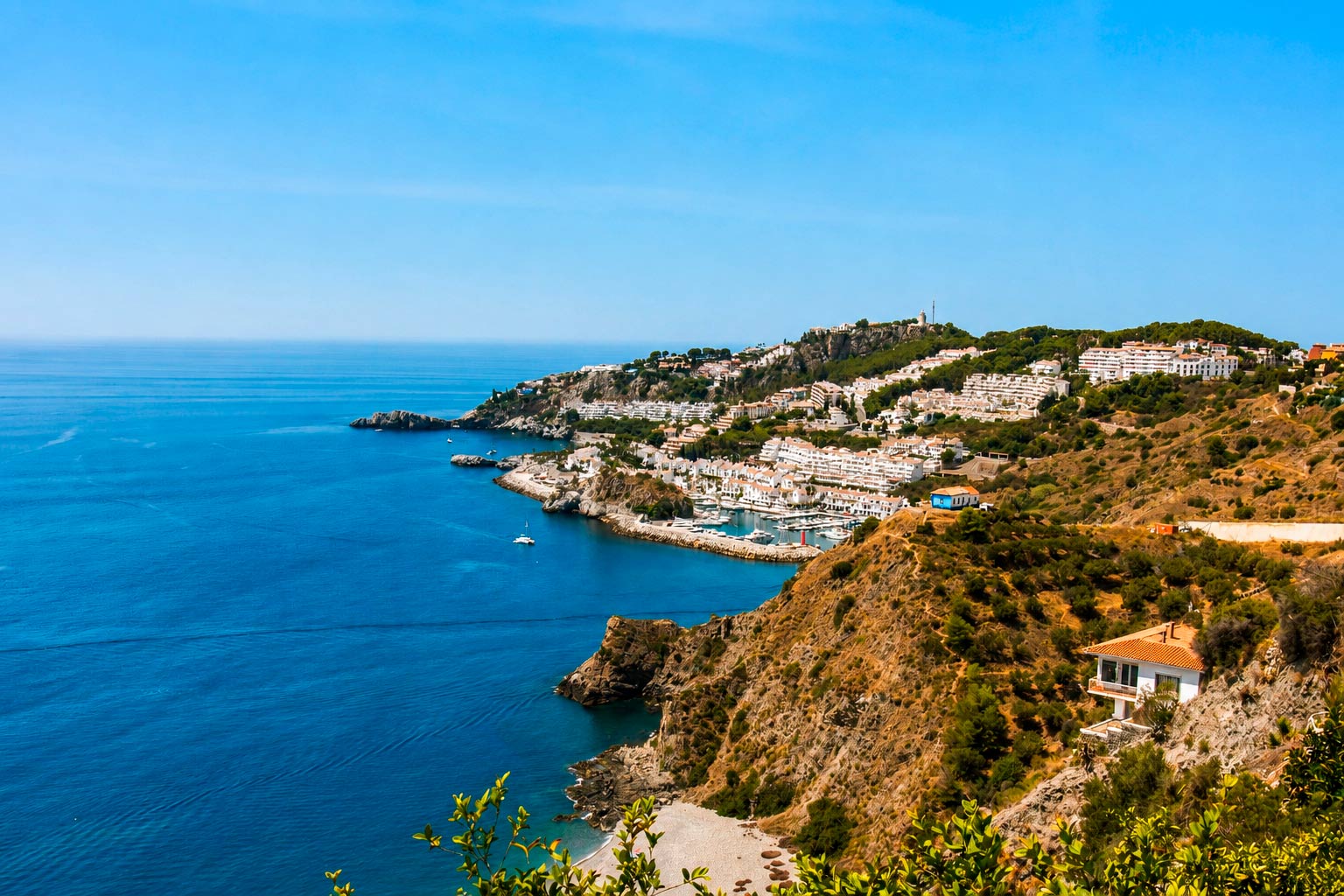
Almuñécar and La Herradura occupy a stretch of the Costa Tropical of Granada — a coastline that is geographically close to the Costa del Sol but administratively and climatically distinct. The municipality sits approximately 25 kilometres east of Nerja and around 80 kilometres from Málaga, in the province of Granada. Its subtropical microclimate — warm winters, mild summers, and conditions suitable...
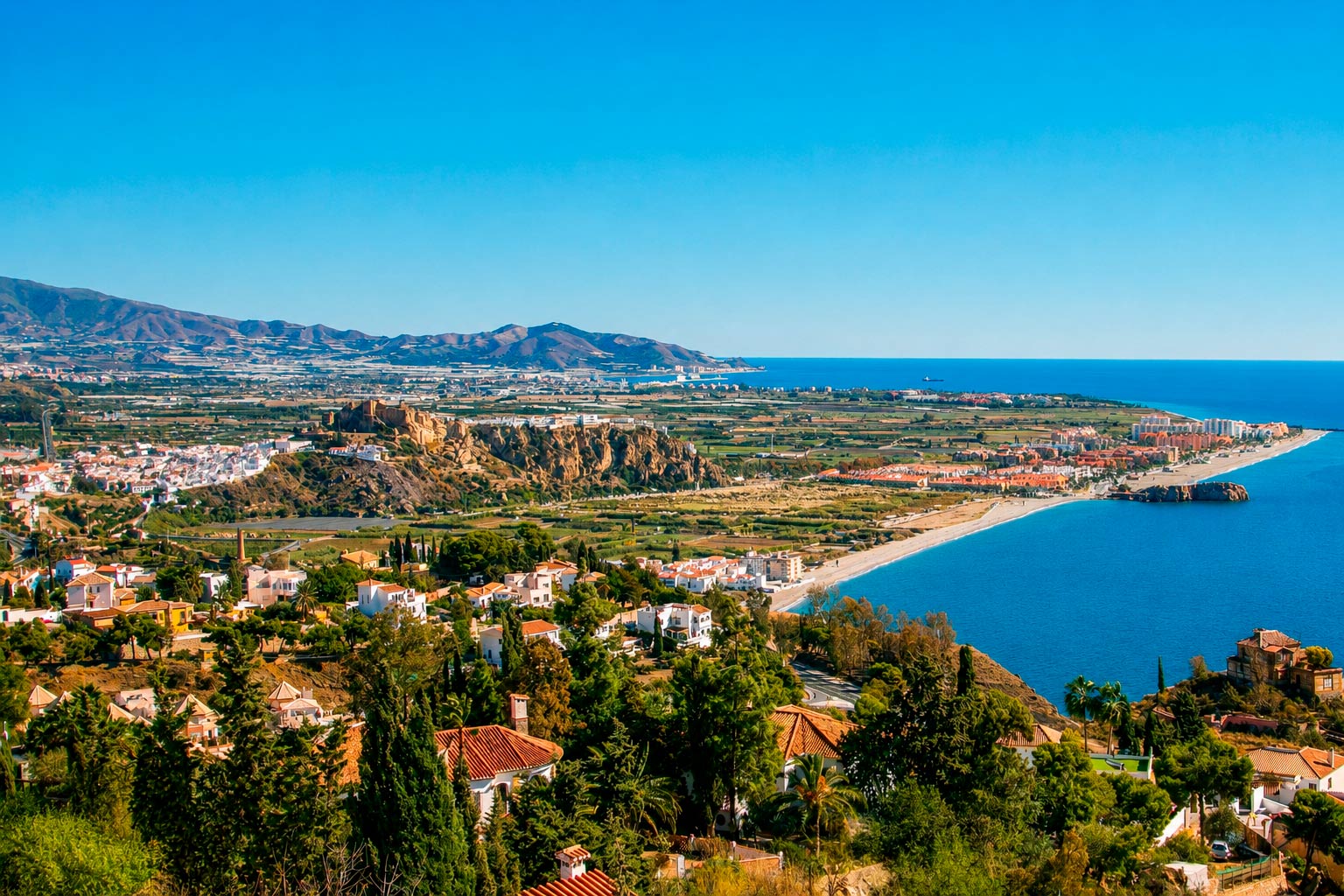
Salobreña is one of the most visually striking towns on the entire Andalusian coast. The old town sits on a rocky outcrop that rises sharply from a coastal plain of sugar cane fields, crowned by a Moorish castle and a cluster of whitewashed houses that tumble down to the plain below. It is a town that resists easy categorisation: part Andalusian village, part beach resort, part agricultural community —...
Contains information related to marketing campaigns of the user. These are shared with Google AdWords / Google Ads when the Google Ads and Google Analytics accounts are linked together.
90 days
__utma
ID used to identify users and sessions
2 years after last activity
__utmt
Used to monitor number of Google Analytics server requests
10 minutes
__utmb
Used to distinguish new sessions and visits. This cookie is set when the GA.js javascript library is loaded and there is no existing __utmb cookie. The cookie is updated every time data is sent to the Google Analytics server.
30 minutes after last activity
__utmc
Used only with old Urchin versions of Google Analytics and not with GA.js. Was used to distinguish between new sessions and visits at the end of a session.
End of session (browser)
__utmz
Contains information about the traffic source or campaign that directed user to the website. The cookie is set when the GA.js javascript is loaded and updated when data is sent to the Google Anaytics server
6 months after last activity
__utmv
Contains custom information set by the web developer via the _setCustomVar method in Google Analytics. This cookie is updated every time new data is sent to the Google Analytics server.
2 years after last activity
__utmx
Used to determine whether a user is included in an A / B or Multivariate test.
18 months
_ga
ID used to identify users
2 years
_gali
Used by Google Analytics to determine which links on a page are being clicked
30 seconds
_ga_
ID used to identify users
2 years
_gid
ID used to identify users for 24 hours after last activity
24 hours
_gat
Used to monitor number of Google Analytics server requests when using Google Tag Manager

 by Plaza Estates