 by Plaza Estates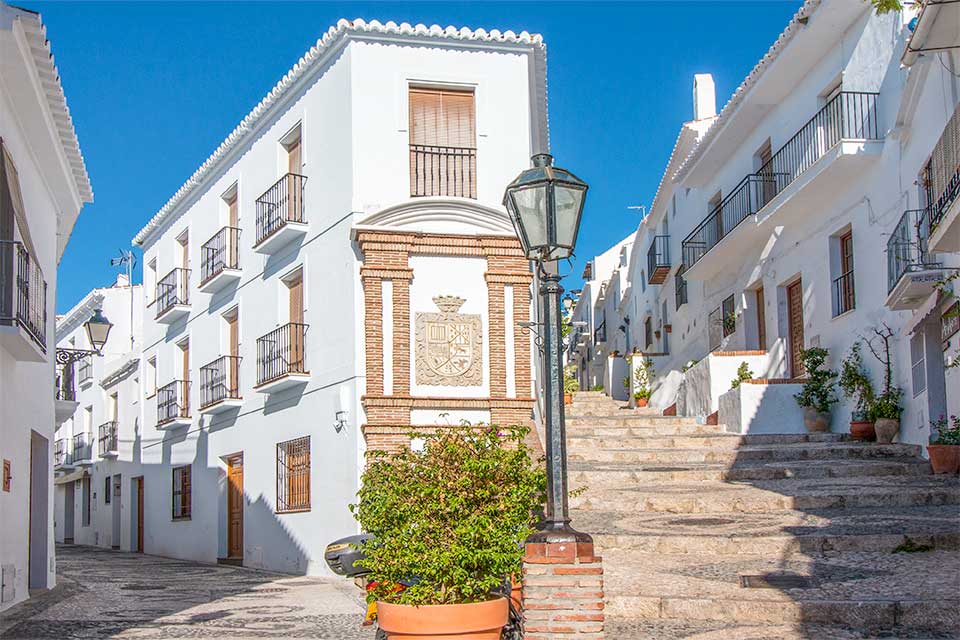
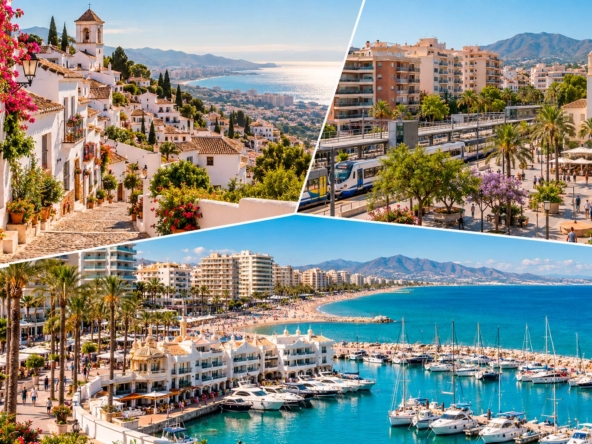
Living in Frigiliana means swapping traffic for cobbled lanes, balconies dripping with geraniums and uninterrupted views over the Mediterranean. This guide is for buyers weighing daily life in one of Andalucía’s most beautiful white villages — the rhythm, the community, the practicalities and the trade-offs of choosing pueblo living.
The white-village lifestyle, day to day
Frigiliana sits in the hills above Nerja, roughly 300 metres above sea level and a short drive from the coast. Its old quarter, the Barribarto, is a maze of stepped, whitewashed streets that are largely pedestrian — life here is slower, quieter and lived on foot. Mornings begin with bread from the local bakery and coffee in a plaza; afternoons are for the views.
The village blends a tight-knit Spanish community with a long-established international presence, particularly British, Scandinavian and northern European residents. That mix shapes everyday life: traditional ferias and religious festivals sit alongside artisan shops, small galleries and a food-and-music festival that fills the streets each summer.
Climate and pace
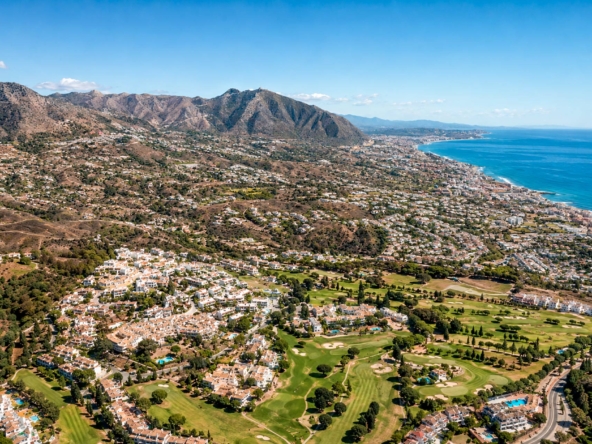
The microclimate is one of Frigiliana’s quiet advantages. Sheltered by the Sierra de Almijara and warmed by the sea, it enjoys mild winters and summers that feel fresher than the coast thanks to the elevation. Evenings can carry a welcome breeze when Nerja below stays warm — a genuine factor for anyone planning to live here year-round.
Amenities, services and getting around
For a village of its size, Frigiliana is well served. There is a primary health centre under the Servicio Andaluz de Salud (SAS), pharmacies, a supermarket, bakeries, butchers and a weekly market. For larger shopping, specialist healthcare and secondary schools, residents rely on Nerja, around ten minutes away by car, with Málaga city and its airport roughly an hour along the A-7.
Owning a car is close to essential. The steep, narrow streets mean parking in the old town is limited, and most residents park on the village edges and walk in. A regular bus connects Frigiliana with Nerja, but the timetable suits errands more than commuting, so factor transport into your daily routine.
| Everyday essential | In Frigiliana | Nearest alternative |
|---|---|---|
| Health centre (SAS) | Yes, village clinic | Nerja / Málaga hospitals |
| Supermarket & daily shops | Yes | Larger stores in Nerja |
| Primary school | Yes | Secondary in Nerja |
| Airport access | — | Málaga, approx. 1 hour |
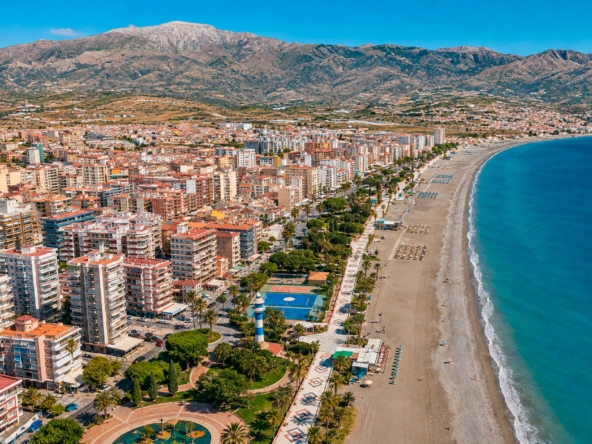
| Beach | — | Nerja, approx. 10 min by car |
Who Frigiliana suits — and the housing reality
The village appeals to those drawn to character over convenience: remote workers, retirees, second-home owners and lifestyle buyers who value charm, walkability and community. Property in the old town is typically traditional townhouses — full of character, but often with stairs, smaller rooms and few options for garages or pools. The outskirts and surrounding hills offer villas and modern homes with parking, gardens and the panoramic views the area is famous for.
For context on costs, the average registered transaction price across Málaga province is published each quarter by the Colegio de Registradores in its Estadística Registral Inmobiliaria, and foreign buyers accounted for 32.8% of purchases in the province in 2025 — a reminder of how international this stretch of coast and hinterland has become. Resale purchases in Andalucía carry 7% ITP (transfer tax), while new builds attract 10% IVA plus around 1.2% AJD.
Pros and cons of living in Frigiliana
Pros
- Stunning white-village character and sea-and-mountain views
- Mild microclimate with fresher summers than the coast
- Genuine community and a busy festival calendar
- Walkable old town, low traffic, strong sense of safety
- Close to Nerja’s beaches and services
Cons
- A car is effectively essential; old-town parking is tight
- Steep, stepped streets are demanding for limited mobility
- Townhouses often lack garages, gardens or pools
- Quieter in winter; busy with visitors in peak summer
- Secondary schools and big shopping are in Nerja
Frequently asked questions
Is Frigiliana a good place to live year-round?
Yes, for those who value tranquillity and community. The village has a stable resident population, daily services and a SAS health centre. Winters are mild and social life continues, though it is noticeably quieter than summer. Nerja’s larger amenities are only ten minutes away, which makes permanent living very workable.
Do I need a car to live in Frigiliana?
For most residents, yes. While daily essentials are available in the village and the old town is walkable, a car is the practical way to reach Nerja, the beaches, secondary schools, hospitals and Málaga airport. A bus links the village to Nerja, but its timetable is better for errands than for regular commuting.
What kind of property can I expect?
The old town is dominated by traditional whitewashed townhouses full of character but often with stairs and compact layouts. For garages, gardens, pools and the big panoramic views, look to the village outskirts and surrounding hillsides, where you’ll find villas and modern homes. Your priorities should guide which area suits you.
How far is the beach and the airport?
Nerja’s beaches are roughly ten minutes away by car, putting the Mediterranean comfortably within reach for a morning swim. Málaga airport is around an hour along the A-7 motorway, which is convenient for frequent flyers and for guests visiting from abroad — a real benefit for second-home owners.
Is Frigiliana suitable for families?
It can be. The village is safe, walkable and community-minded, with a primary school in place. Older children attend secondary school in Nerja, so families with teenagers should plan around the commute. The festival calendar, outdoor space and mix of international families make it an appealing environment for younger children.
Ready to find your home in Frigiliana? Browse our listings at https://plazaestates.es/ · Plaza Estates · +34 952 524 191 · [email protected]